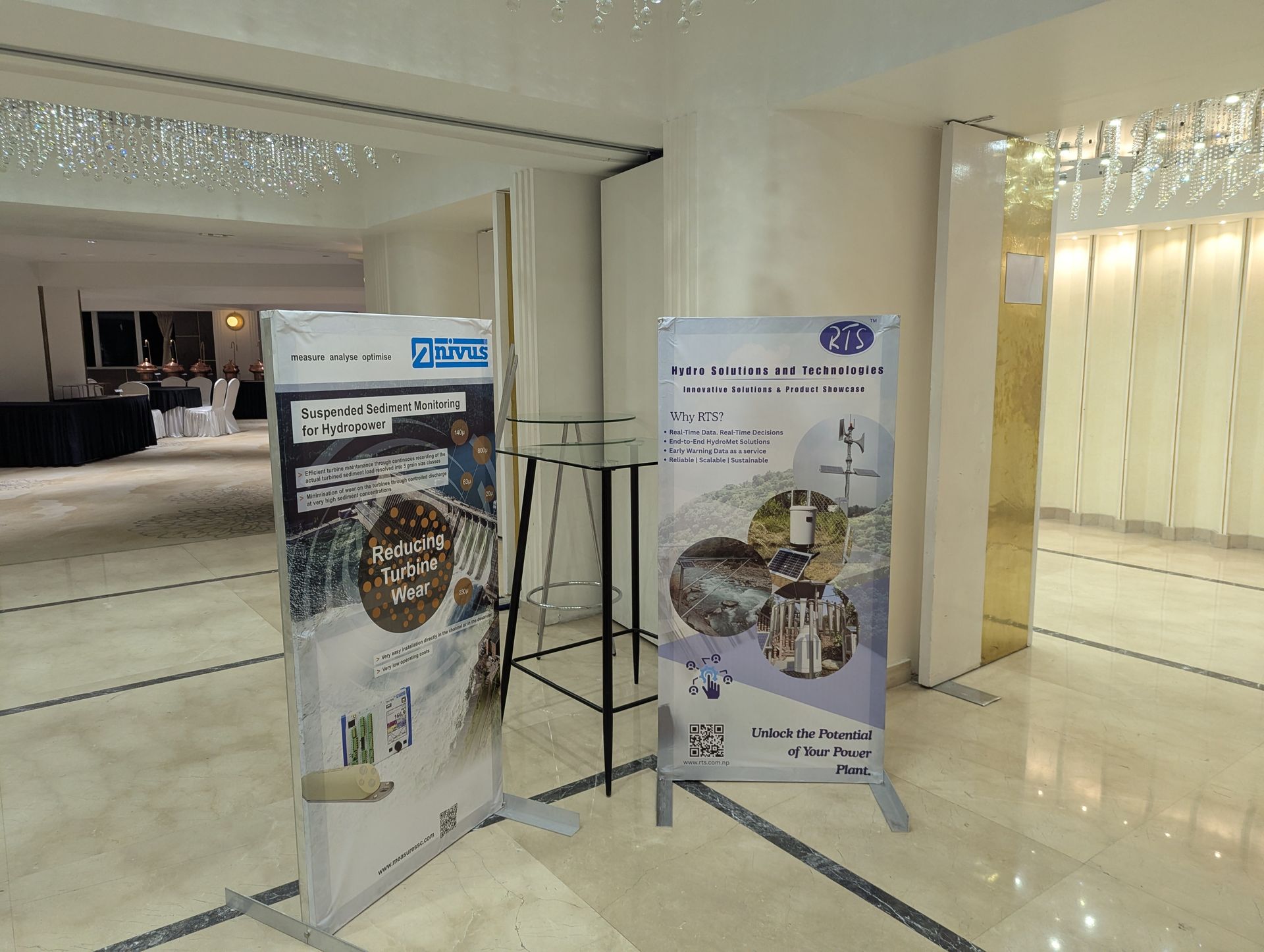
Hydro Solutions and Technologies - Innovative Solutions & Product Showcase
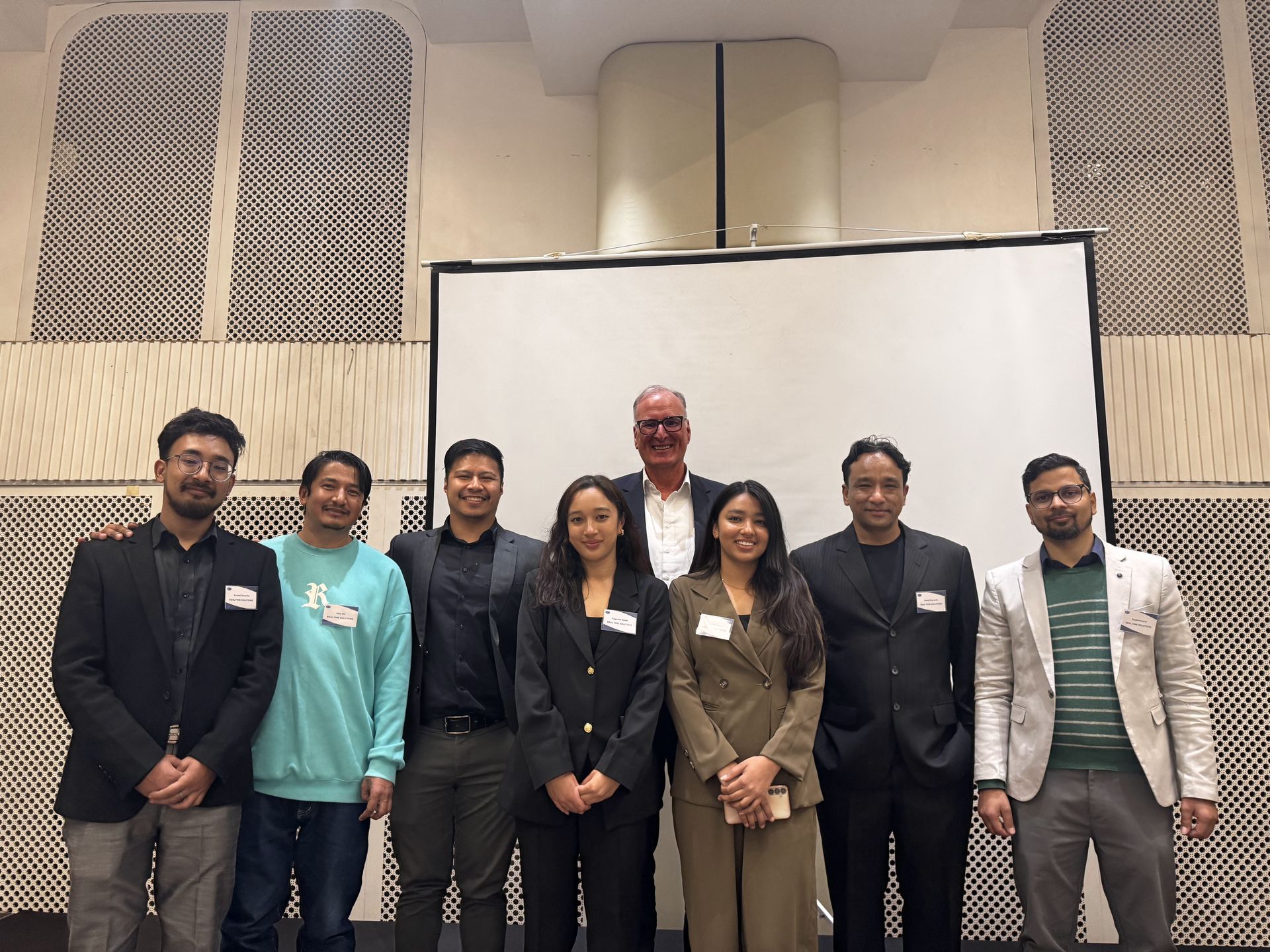
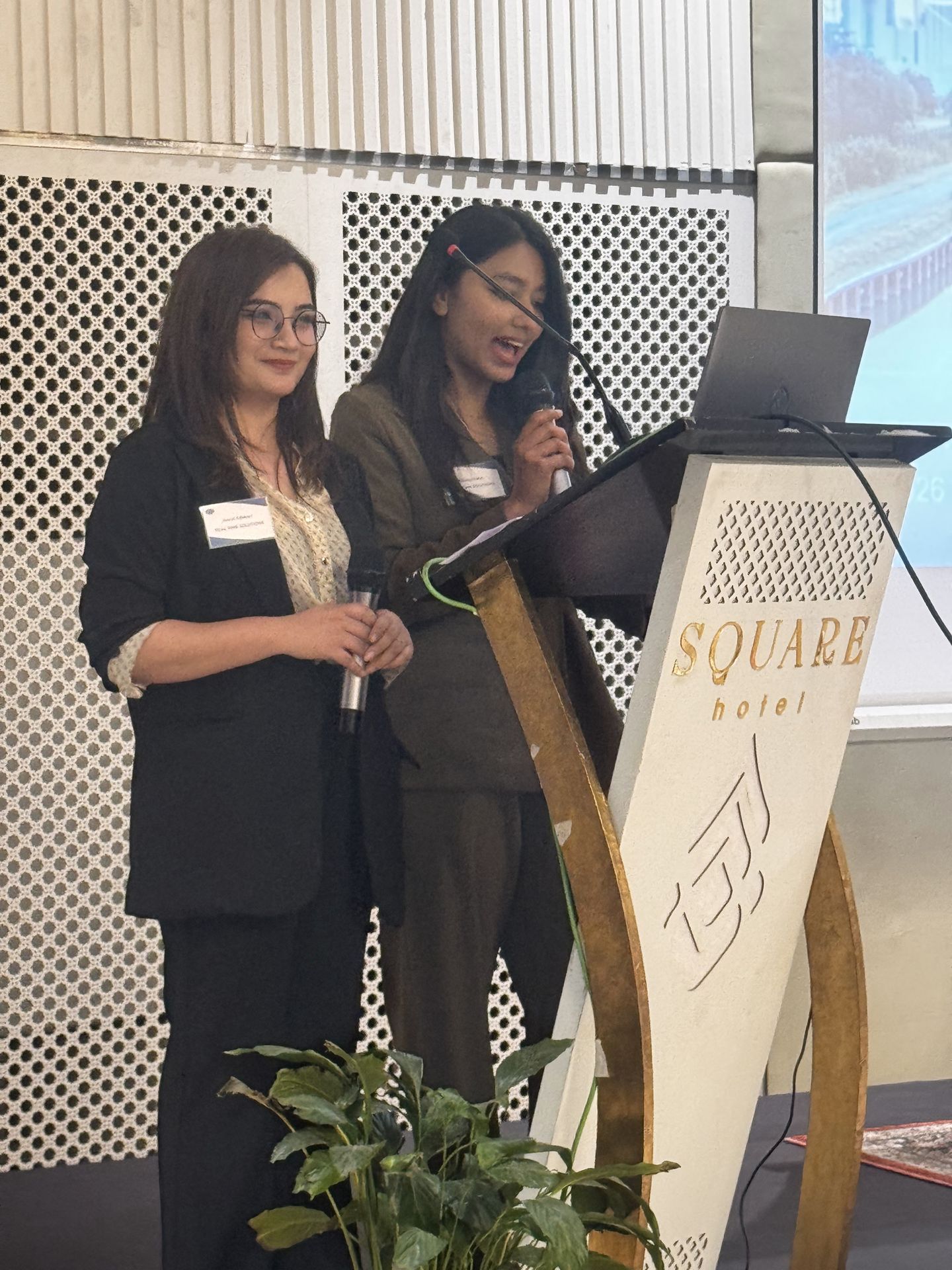
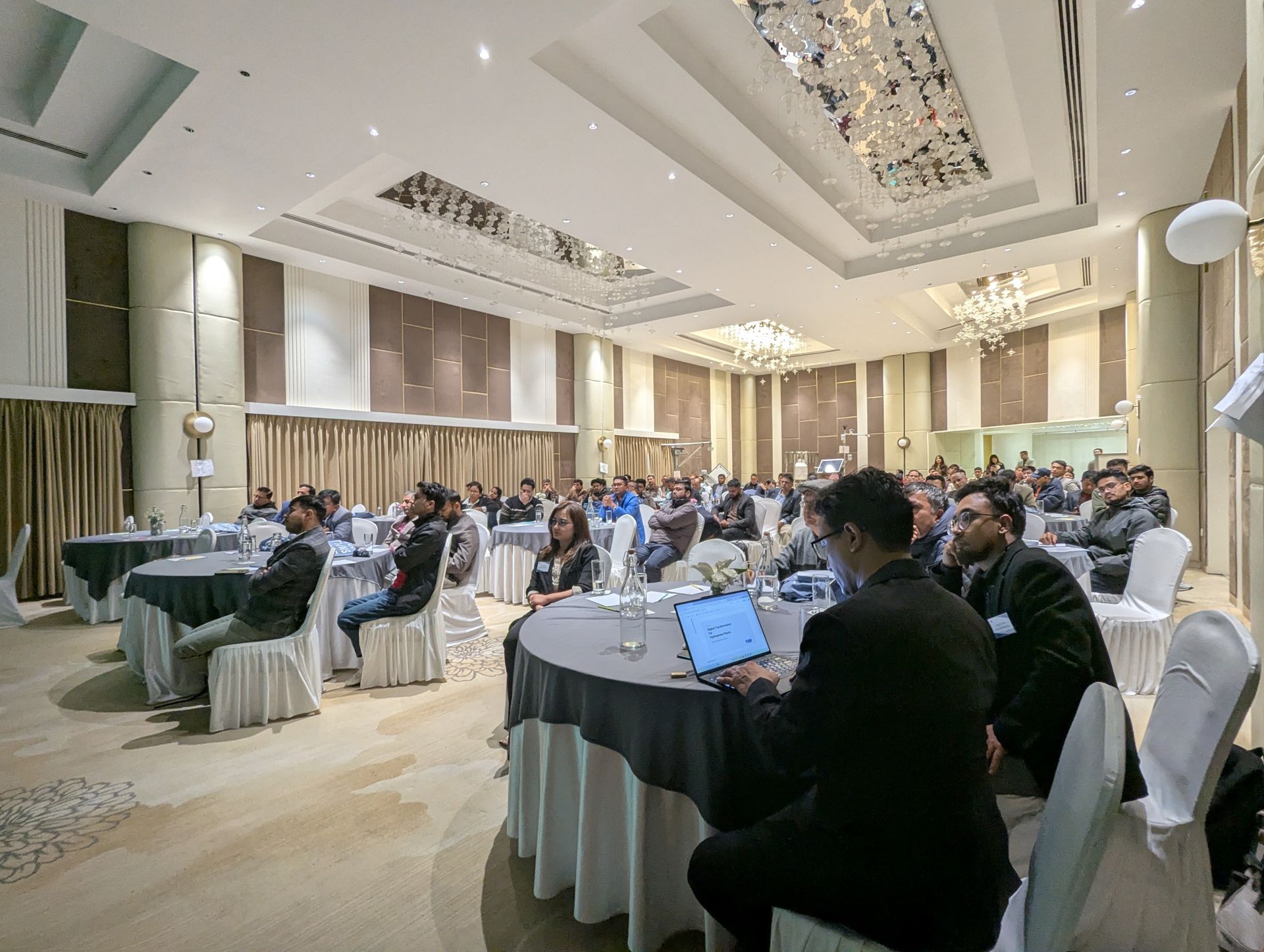
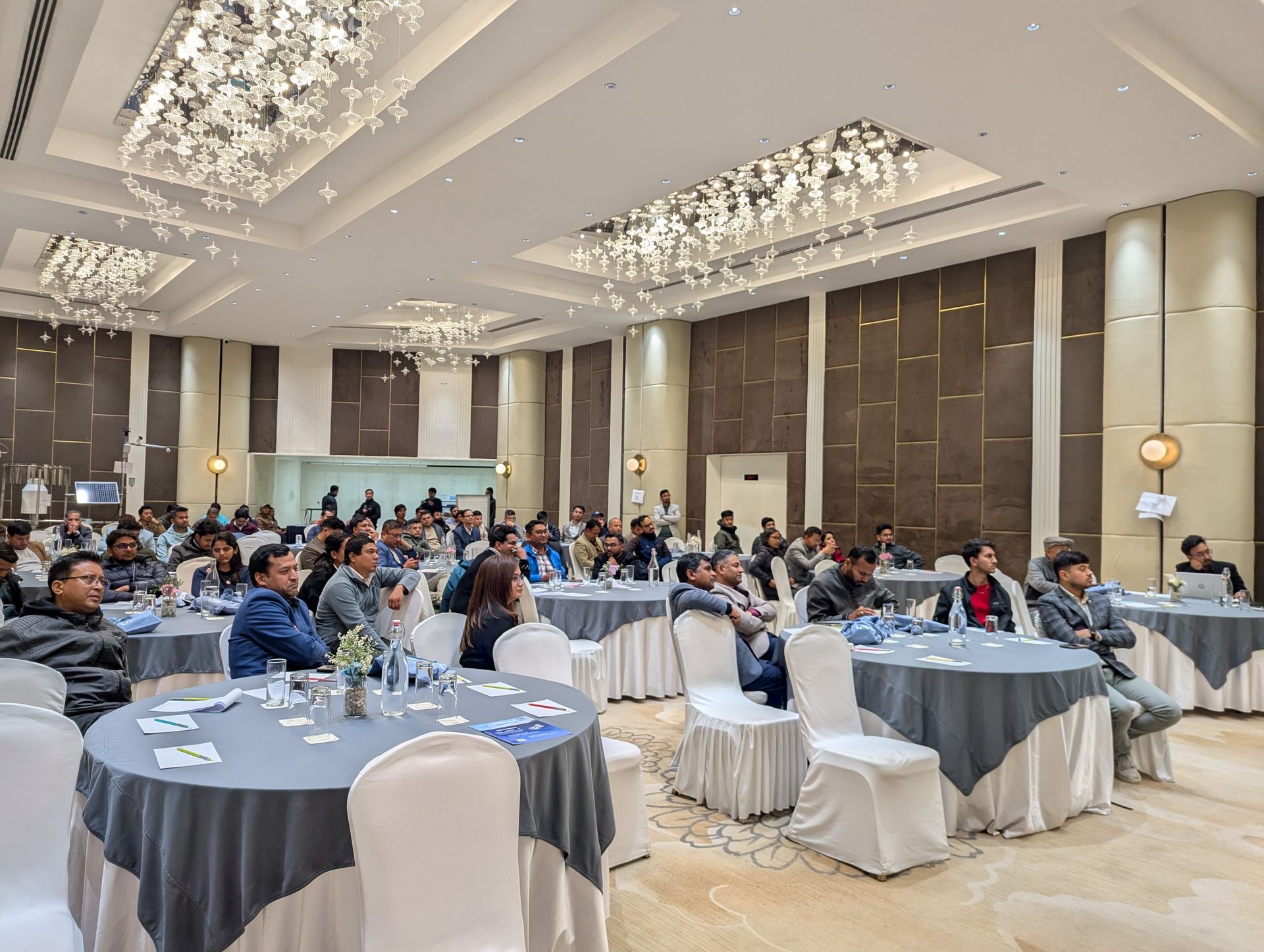
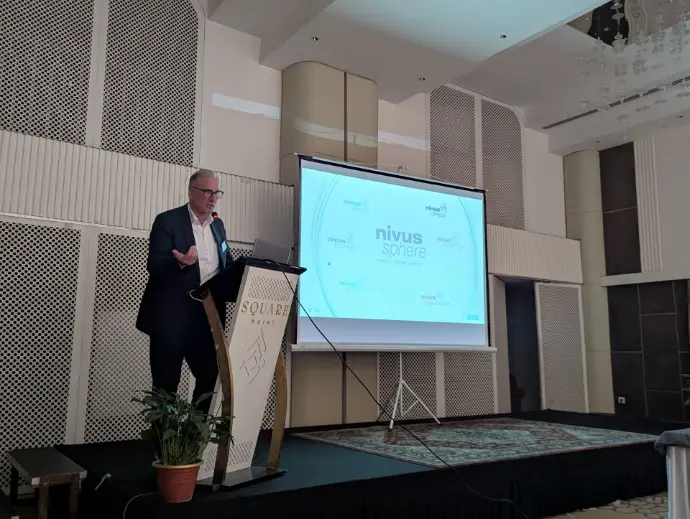
On 17th February 2026, Tuesday, we organized a technical interaction program focused on Sediment Monitoring & Discharge Measurement, Early Warning as a Service and Hydropower Monitoring & Digitization. We invited the guest to a presentation from NIVUS, a global leader in flow, level and water quality measurement solutions.
Highlights of the Event
1. Sediment and Discharge Monitoring
Sediment Monitoring in Hydropower Systems
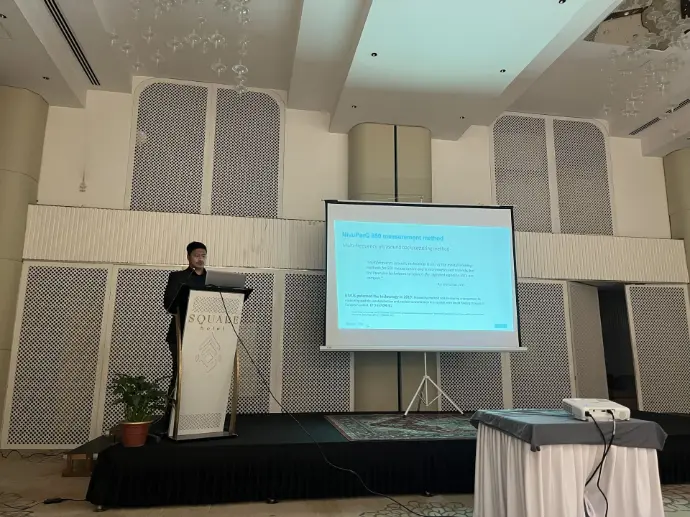
Sediment monitoring in hydropower was highlighted as a critical challenge, with high sediment loads causing turbine wear and operational shutdowns. A case in Switzerland showed loads up to 13,000 tons. They explained Single Frequency Acoustic Backscattering (ABS) technology and the NivuParQ 850 was showcased for sediment measurement with multi-frequency ultrasound, real-time data, installation in flow direction and a 5–6 year lifespan. Participants discussed SCADA integration, automated gate control and performance under biofilm and high sediment conditions.
Flow and Discharge Monitoring Solutions
Clamp-on ultrasonic flow measurement systems, including the portable NFM600 and permanent NF600, were demonstrated for hydropower discharge monitoring. These systems provide reliable velocity measuremens even under high sediment conditions, with 500 kHz identified as optimal for challenging environments.
2. Early Warning System as a Service
How Early Warning as a Service Works?
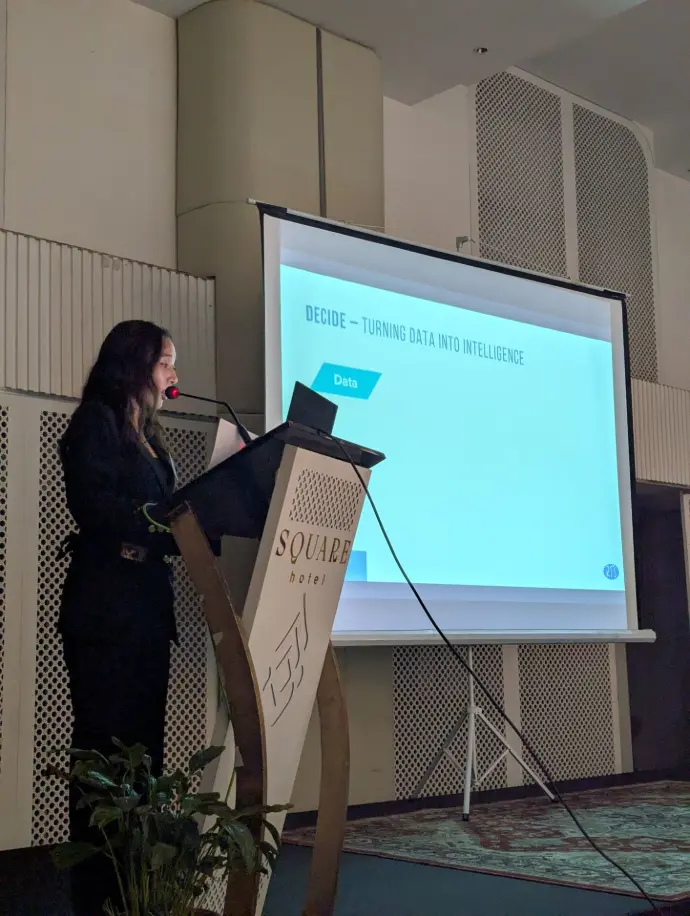
The system operates in three stages: Sense (data collection via weather stations, water-level, glacier, and seismic sensors), Decide (Decision Support System analyzes data and models floods) and Act (alerts via sirens, audio notifications, SMS and mobile apps to authorities and communities). This workflow enables rapid detection, analysis and response to potential hazards.
EWS Introduction
The event featured a live demonstration of an Early Warning System (EWS) with siren triggers. This system integrates upstream monitoring data from stations. Early Warning as a Service was presented as a basin-wide solution to improve risk management and disaster preparedness through centralized intelligence and shared infrastructure.
Benefits and Collaboration
Early Warning as a Service provides real-time dashboards, automated alerts and cost-sharing options.
3. Digital Transformation for Hydropower Plants
Identification of Pain Points
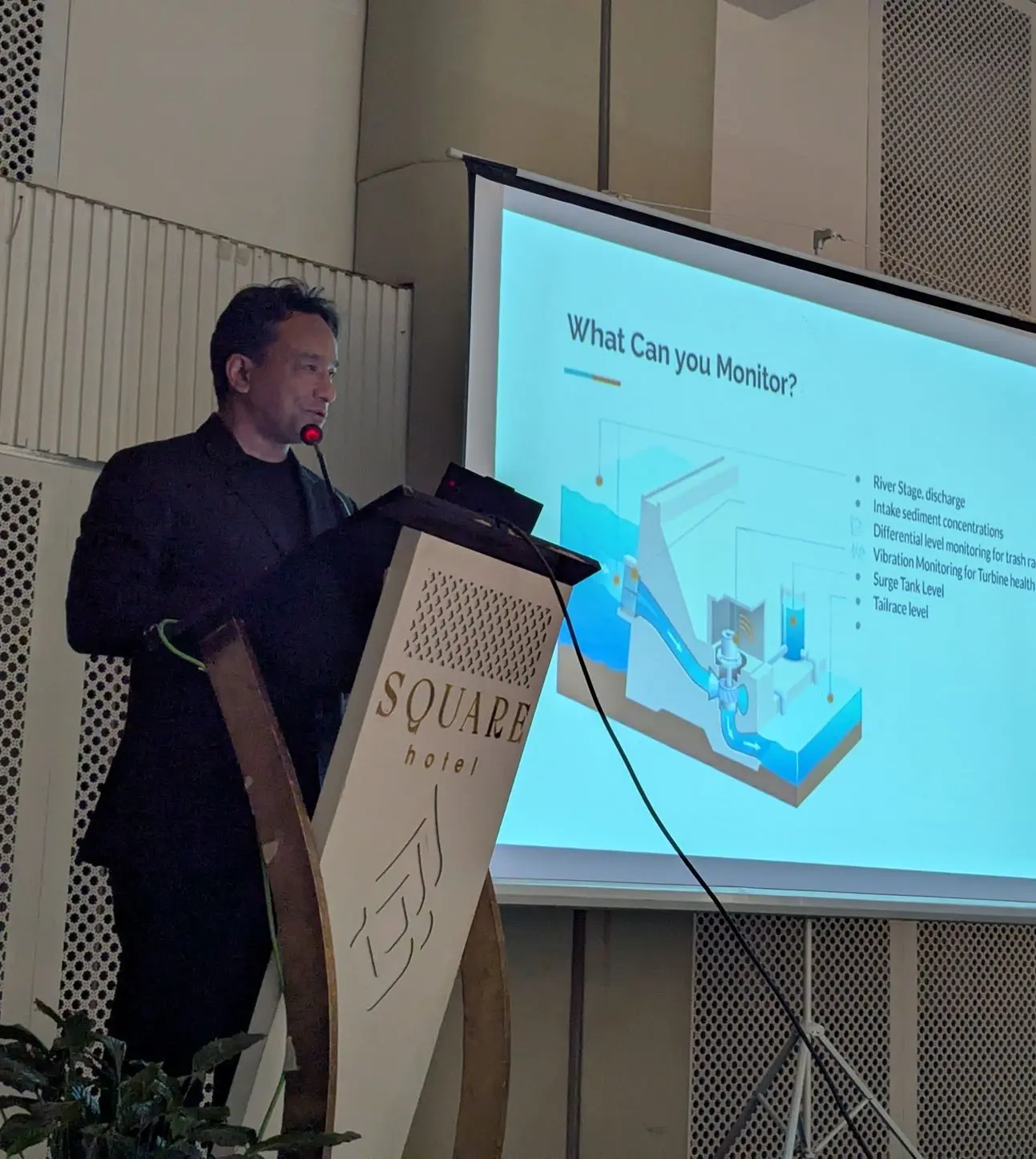
Hydropower projects face critical challenges including environmental risks (floods, landslides, GLOF, turbine erosion), operational inefficiencies (trash rack jamming, suboptimal generation), data gaps (manual monitoring, delayed decisions), technical/resource constraints (spares, untrained operators) and administrative hurdles (bureaucracy, permits).
Proposed Solution: Digitization
Digitization shifts plants from reactive to proactive management through sensors, SCADA integration and weather stations for automated data collection; real-time condition monitoring of turbines, river stage, sediment and surge tanks; and a three-layer architecture (data collection, processing & analytics, decision support with dashboards and alerts).
Reservoir Management & Forecasting
The system optimizes reservoir operations by tracking water volumes, forecasting with 14-days weather and rainfall-runoff models and supporting safety decisions such as preemptive dam releases during heavy precipitation.
Value Proposition & Business Benefits
Data-driven decision support improves revenue (up to 15% power generation increase), reduces costs (20% fewer reactive repairs), extends asset life, and enhances operational visibility and regulatory compliance. The session emphasized digitization and digital twin adoption, referencing Singapore’s advanced implementations, showcasing improved efficiency and disaster preparedness.
Product Showcases Across Sessions
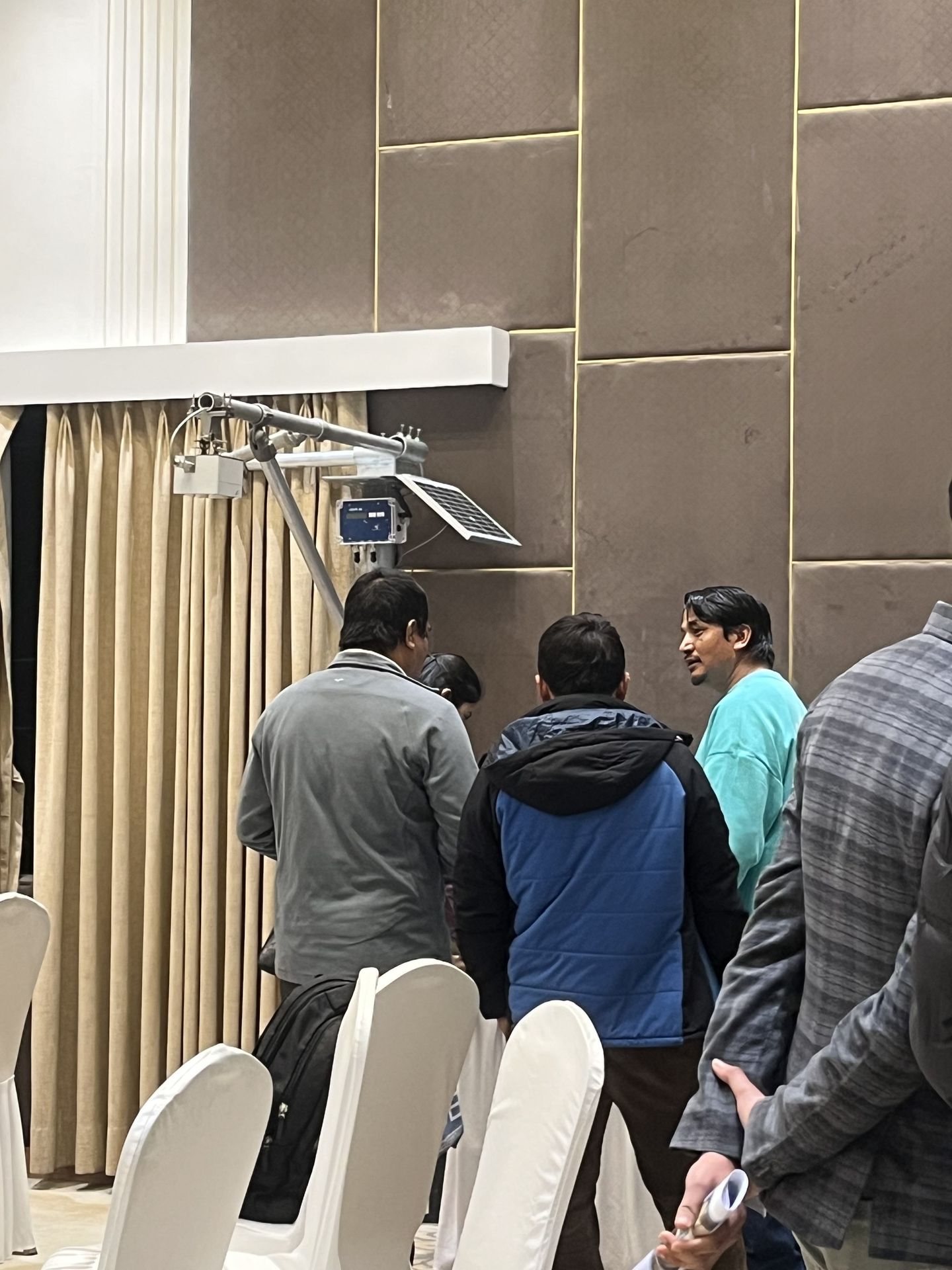
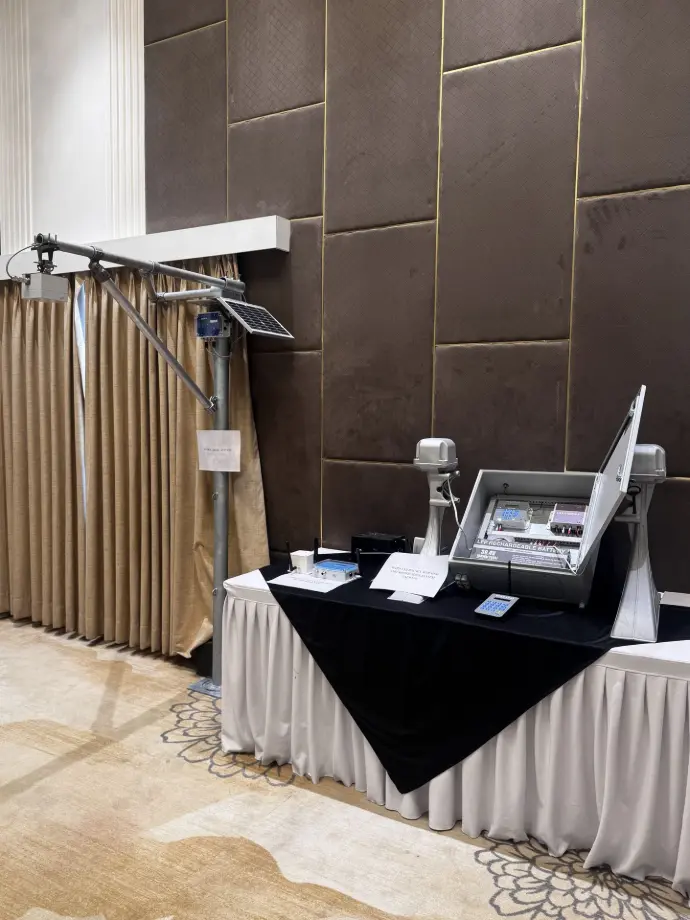
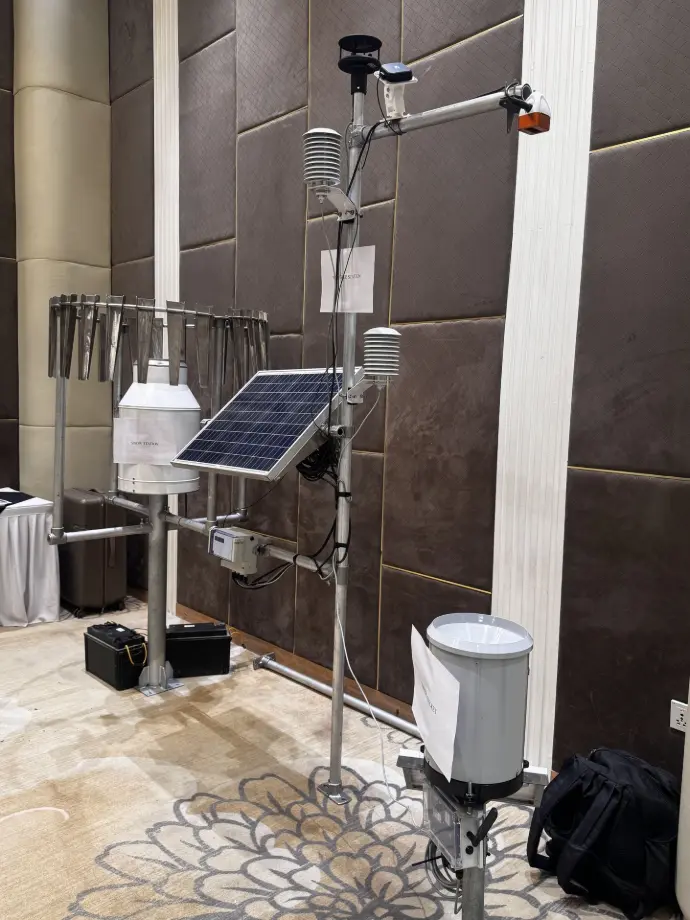
Each session concluded with a product showcase, allowing participants to see the technologies in action. For NIVUS, this included measurement systems like NivuParQ 850, NFM600, NF600, and the NIVUS Sphere ecosystem. The EWS session demonstrated siren mechanisms, real-time dashboards, and monitoring platforms like Hydrological Station and Automatic Weather Station. These demonstrations were followed by Q&A sessions, enabling participants to clarify technical details, discuss operational scenarios, and explore practical applications across hydropower and water management contexts.
Event Success & Participation
The program concluded with networking and station observation sessions
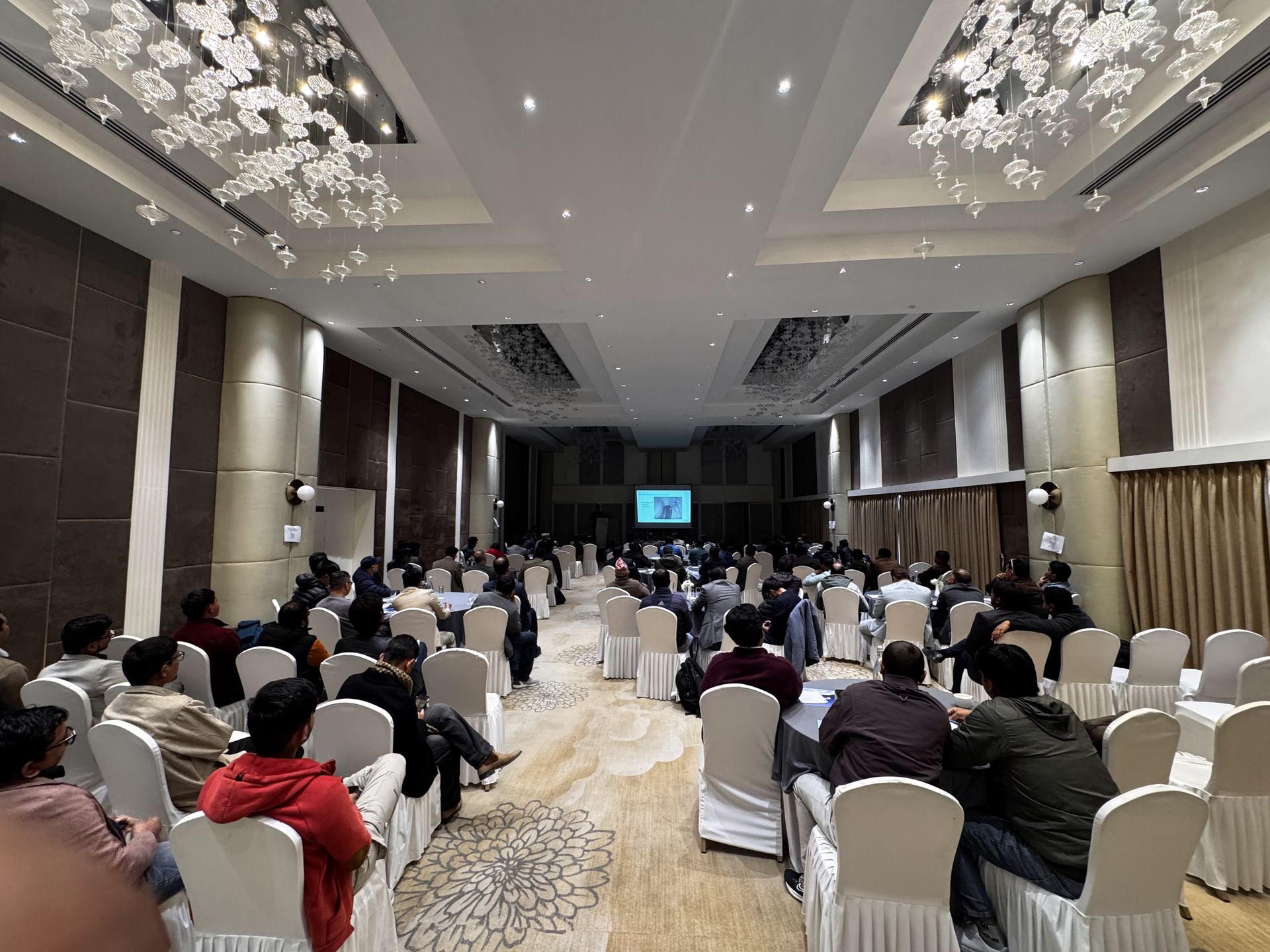
With 90 participants, the event successfully created a platform for:
- Technical knowledge exchange
- Industry-academia collaboration
- Technology demonstration
- Discussion on future partnerships
Glimpes of the Event: